
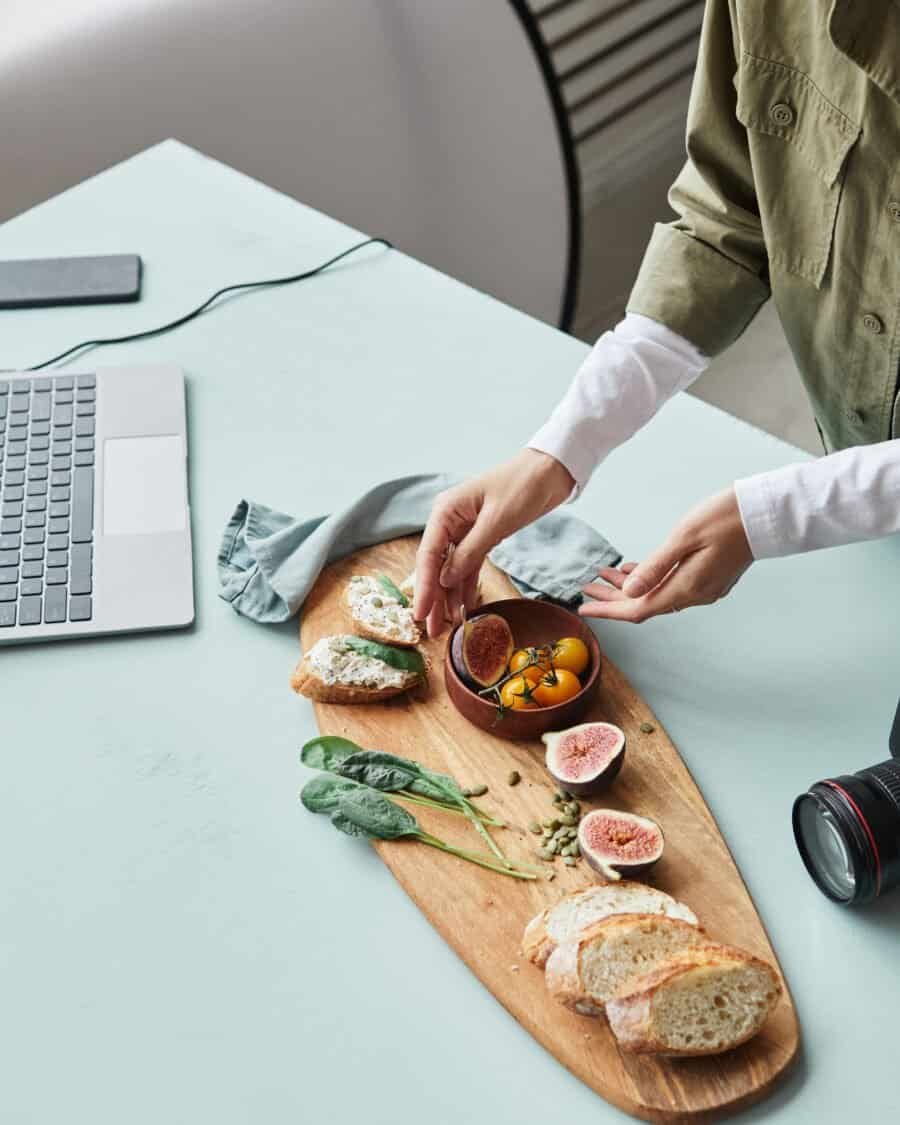
Running a food blog is exciting until you sit down to decide what to publish next. You may have plenty of recipes in your kitchen, but turning those recipes, cooking experiences, ingredients, and food interests into fresh blog content can sometimes feel surprisingly difficult.
The good news is that food blogging gives you far more options than simply publishing one recipe after another. You can create ingredient guides, cooking tutorials, seasonal collections, personal stories, food photography posts, restaurant reviews, meal-planning content, and even behind-the-scenes posts about your own kitchen.
If you are looking for food blog post ideas that go beyond the usual recipe list, here are more than 100 ideas to help you build a varied and useful food blog.
What Can You Write About on a Food Blog?
You can write about almost anything connected to food, from recipes and cooking techniques to ingredients, kitchen experiences, restaurant visits, food traditions, meal planning, and personal stories. The best food content usually combines something readers are searching for with something you genuinely enjoy making, testing, or talking about.
Recipe-Based Food Blog Ideas
Recipe posts are the foundation of many food blogs, but you can give them different angles instead of publishing only standalone recipes.
1. One-Pot Meals for Busy Days
Create a collection of meals that can be prepared in a single pot, pan, or cooking vessel. Focus on simple preparation and minimal cleanup.
2. Recipes With Five Ingredients or Less
Share genuinely simple recipes for readers who want something delicious without buying a long list of ingredients.
3. Restaurant-Style Recipes to Make at Home
Recreate popular restaurant-style dishes and explain how readers can achieve a similar result in their own kitchen.
4. Recipes You Can Prepare Ahead of Time
Round up dishes that can be prepared partially or completely in advance for easier cooking during busy days.
5. 20-Minute Dinner Recipes
Create a practical collection for people who need dinner on the table quickly after work or other daily responsibilities.
6. Recipes That Use Everyday Pantry Staples
Build recipes around ingredients people commonly already have at home, such as rice, flour, lentils, pasta, canned beans, or spices.
7. No-Oven Recipes for Summer
Share meals and desserts that don’t require an oven, particularly useful during hot weather.
8. Recipes for Cooking Beginners
Create approachable dishes that teach basic techniques without overwhelming someone who is new to cooking.
9. Make-Ahead Breakfast Recipes
Share breakfast options that can be prepared the previous evening or made in batches for several mornings.
10. Family-Style Dinner Recipes
Focus on dishes that can be placed in the middle of the table and shared, making them useful for families or groups.
11. Recipes for Two
Create smaller portions for couples, roommates, or anyone who doesn’t want to cook a large quantity of food.
12. Copycat Recipes With Your Own Twist
Take inspiration from a familiar food and develop your own version rather than simply reproducing a restaurant recipe.
13. Freezer-Friendly Recipes
Show readers which meals can be frozen successfully, along with storage and reheating suggestions.
14. Crispy Food Recipes Without Deep Frying
Explore baked, air-fried, pan-cooked, or other methods for creating crispy textures.
15. Recipes Built Around Leftovers
Turn yesterday’s cooked vegetables, rice, chicken, bread, or other leftovers into an entirely different meal.
Breakfast & Brunch Food Blog Ideas
Breakfast content can work especially well when it solves a specific morning problem.
16. Breakfasts You Can Make the Night Before
Share recipes that require little or no preparation in the morning.
17. Indian Breakfast Ideas for Busy Mornings
Create a collection of practical Indian breakfast dishes with realistic preparation times.
18. Weekend Brunch at Home
Build a complete brunch menu with a combination of savory dishes, something sweet, and a drink.
19. High-Protein Breakfast Recipes
Share breakfast ideas featuring protein-rich ingredients and explain simple ways to make them more filling.
20. Breakfast Ideas Without Bread
Explore alternatives such as eggs, oats, poha, idli, dosa, yogurt bowls, or other suitable options.
21. Make-Ahead Pancake and Waffle Ideas
Show readers how to prepare, store, freeze, and reheat homemade breakfast favorites.
22. Homemade Breakfast Drinks
Create recipes for smoothies, coffee drinks, milk-based beverages, fruit drinks, or traditional morning beverages.
23. Five-Minute Breakfasts
Focus on realistic recipes that require very little preparation for rushed mornings.
24. Breakfast Recipes for Kids
Create colorful, approachable options with simple ingredients and child-friendly flavors.
25. A Complete Sunday Breakfast Menu
Put several recipes together to create one cohesive breakfast spread.
Lunch & Dinner Food Blog Ideas
26. Work-from-Home Lunch Ideas
Share quick meals that can be prepared without spending a large part of the workday in the kitchen.
27. Lunchbox Recipes That Travel Well
Focus on dishes that maintain their texture and flavor after being packed.
28. Vegetarian Dinner Ideas for the Whole Week
Create a seven-day dinner plan instead of publishing individual recipes.
29. Comfort Food With a Modern Twist
Take a familiar comfort dish and introduce a new ingredient, presentation, or cooking method.
30. Rice-Based Dinner Recipes
Show how rice can become the base of several different meals rather than limiting the post to one recipe.
31. Easy Dal Recipes Beyond the Everyday Version
Explore different lentils, regional preparations, textures, and serving combinations.
32. 30-Minute Indian Dinner Ideas
Build a practical collection around realistic weeknight cooking.
33. Dinner Recipes for One
Create dishes that are specifically portioned for solo cooks.
34. Light Dinner Ideas for Warm Evenings
Focus on refreshing meals that don’t feel overly heavy.
35. Complete Dinner Menus
Instead of one recipe, create combinations such as starter + main + side + dessert.
Baking & Dessert Blog Ideas
36. Beginner-Friendly Baking Recipes
Share recipes that teach basic baking without requiring advanced equipment.
37. Desserts Without an Oven
Explore chilled, steamed, pan-cooked, or other no-bake dessert options.
38. Small-Batch Baking Recipes
Create recipes designed for people who want a few cookies, cupcakes, brownies, or other treats instead of a large batch.
39. Desserts for Unexpected Guests
Share quick sweets that can be prepared when you don’t have much time.
40. Homemade Dessert Sauces
Create recipes for chocolate sauce, caramel, fruit sauces, custards, or other toppings.
41. One-Bowl Baking Recipes
Focus on recipes that minimize dishes and simplify preparation.
42. Indian Mithai You Can Make at Home
Create approachable versions of traditional Indian sweets.
43. Tea-Time Baking Ideas
Build a collection of cakes, cookies, breads, and savory bakes that pair naturally with tea.
44. Desserts Using Seasonal Fruit
Choose one seasonal fruit and develop several dessert ideas around it.
45. Baking Mistakes Beginners Should Avoid
Turn common baking problems into a helpful troubleshooting article.
Healthy Food Blog Ideas
Health-focused content can be practical without turning every article into a strict diet plan.
46. Balanced Meal Ideas for Busy People
Show readers how to combine different food groups into simple everyday meals.
47. Homemade Snack Ideas for the Week
Create a batch of snacks that can be prepared ahead of time.
48. Naturally Sweet Dessert Ideas
Explore desserts that rely on fruit and other naturally sweet ingredients.
49. Vegetable Recipes for People Who Don’t Love Vegetables
Use roasting, grilling, spices, sauces, and different textures to make vegetables more appealing.
50. High-Fiber Meal Ideas
Create recipes featuring naturally fiber-rich ingredients.
51. Healthy Homemade Dips and Spreads
Share alternatives to packaged dips using ingredients readers can recognize.
52. Colorful Salad Recipes That Actually Feel Like a Meal
Move beyond plain side salads by adding grains, legumes, vegetables, proteins, dressings, or other substantial ingredients.
53. Homemade Smoothie Combinations
Create different flavor combinations and explain how to adjust consistency.
54. Simple Meal Prep for Beginners
Explain how to prepare a few components that can become different meals throughout the week.
55. Healthy Comfort Food Makeovers
Take a familiar comfort dish and experiment with alternative preparation methods or ingredient combinations.
Indian Food Blog Ideas
Indian cuisine gives food bloggers enormous scope for regional, traditional, and modern content.
56. Regional Indian Breakfasts Worth Trying
Explore breakfast dishes from different parts of India rather than focusing only on the most familiar options.
57. Forgotten Family Recipes
Share traditional recipes that have been passed through generations or are rarely seen online.
58. Indian Street Foods to Make at Home
Create homemade versions of popular street-food favorites.
59. Homemade Indian Spice Blends
Explain how to prepare and use different masala combinations.
60. One Indian Ingredient, Five Recipes
Choose an ingredient such as paneer, coconut, chickpeas, or spinach and create multiple recipes around it.
61. Indian Festival Food Ideas
Build recipe collections around festivals and celebrations throughout the year.
62. Regional Indian Thali Ideas
Create a complete meal inspired by one region, including sides, breads, rice, and dessert.
63. Indian Pickles and Chutneys
Explore homemade accompaniments and explain how they can change a simple meal.
64. Modern Twists on Traditional Indian Recipes
Experiment thoughtfully with presentation, ingredients, or cooking techniques while keeping the inspiration recognizable.
65. Indian Recipes for Beginners
Create an approachable introduction to everyday Indian cooking.
Seasonal & Holiday Food Blog Ideas
66. First-Day-of-Summer Recipes
Create refreshing dishes and drinks that suit warmer weather.
67. Cozy Recipes for Rainy Days
Build a collection around warm, comforting food and beverages.
68. Autumn Baking Ideas
Use seasonal flavors and ingredients to create cakes, cookies, breads, and desserts.
69. Winter Comfort Food Collection
Bring together hearty soups, curries, baked dishes, and warm desserts.
70. Holiday Breakfast Menu
Create a special breakfast or brunch spread for a celebration.
71. Festive Dessert Table Ideas
Show readers how to create a dessert spread with different textures, sizes, and flavors.
72. Food Ideas for Hosting a Small Gathering
Focus on recipes that are practical when cooking for several people.
73. Picnic Food Ideas
Share portable recipes that are easy to pack and eat outdoors.
74. Monsoon Snack Recipes
Create warm, crispy, or comforting snacks that suit rainy weather.
75. New-Year Food Ideas
Create recipes, brunches, snacks, or menus suitable for New Year’s gatherings.
Budget Food Blog Ideas
76. Meals on a Small Grocery Budget
Build a realistic meal collection around affordable ingredients.
77. Cheap Ingredients That Can Create Several Meals
Show how one grocery purchase can be used in multiple recipes.
78. Budget-Friendly Vegetarian Recipes
Focus on inexpensive plant-based ingredients and satisfying combinations.
79. Homemade Versions of Expensive Café Foods
Show readers how to recreate café-style favorites at home.
80. How to Use Every Part of an Ingredient
Explore ways to reduce food waste by using edible portions that are often discarded.
Ingredient-Based Food Blog Ideas
81. Everything You Can Make With Potatoes
Create a broad collection covering snacks, sides, breakfasts, and main dishes.
82. Creative Ways to Use Bananas
Go beyond banana bread with breakfast, desserts, drinks, and snacks.
83. What to Cook With Leftover Bread
Turn stale or leftover bread into practical new dishes.
84. Cooking With Seasonal Tomatoes
Create several recipes around tomatoes at their freshest.
85. A Beginner’s Guide to Cooking With Lentils
Explain varieties, preparation, cooking methods, and recipe applications.
86. Different Ways to Cook Eggs
Compare boiling, scrambling, frying, baking, poaching, and other techniques.
87. Coconut-Based Recipes
Explore savory and sweet recipes featuring coconut in different forms.
88. Pantry Staples Worth Keeping at Home
Create a practical pantry checklist and explain how each ingredient can be used.
89. Five Recipes From One Seasonal Ingredient
Turn a single ingredient into a mini content series.
90. Ingredient Substitutions for Common Recipes
Create a practical guide showing what readers can use when they are missing a particular ingredient.
Cooking Tips & Kitchen Guides
91. How to Fix an Overly Salty Dish
Explain practical ways to adjust a dish depending on its type and ingredients.
92. How to Make Homemade Food Taste More Flavorful
Discuss seasoning, browning, acidity, texture, herbs, spices, and finishing ingredients.
93. Common Cooking Mistakes Beginners Make
Turn your own kitchen experience into a useful troubleshooting guide.
94. How to Store Fresh Herbs
Explain different storage approaches and when each method works best.
95. How to Keep Homemade Bread Fresh
Cover storage choices and how they affect texture.
96. Kitchen Shortcuts That Actually Save Time
Share techniques you have personally found useful rather than generic productivity advice.
97. How to Build a Practical Spice Collection
Explain which spices are versatile and how to use them.
98. Essential Kitchen Tools for Beginners
Create a realistic starter list without suggesting that readers need every gadget available.
99. How to Organize a Small Kitchen
Share practical storage solutions for people working with limited space.
100. How to Plan a Week of Meals
Explain a simple process for choosing recipes, creating a shopping list, and reducing unnecessary food purchases.
Food Photography & Content Ideas
Food blogs are visual, so content about creating better food imagery can also attract fellow creators.
101. How to Photograph Food in Natural Light
Explain how window light, positioning, and timing can affect food photographs.
102. Simple Food Styling Tricks for Beginners
Share practical ways to make a plate look more inviting without making it feel artificial.
103. How to Photograph Steam and Warm Food
Create a behind-the-scenes guide to capturing food while it still looks fresh and appetizing.
104. Food Photography Mistakes to Avoid
Discuss issues such as harsh lighting, cluttered backgrounds, poor composition, or distracting props.
105. How to Create a Consistent Food Blog Aesthetic
Explain how backgrounds, props, lighting, composition, and editing can create a recognizable visual identity.
106. Behind the Scenes of a Recipe Photoshoot
Show what happens before the final food photograph appears on the blog.
107. How to Style a Simple Recipe for Photos
Demonstrate how an everyday dish can be presented attractively without changing the actual food.
Food Blogging & Content Creation Ideas
108. How I Plan a Month of Food Blog Content
Share your actual planning process, from brainstorming to publishing.
109. How to Turn One Recipe Into Several Pieces of Content
Show how one recipe can become a blog post, short video, social post, email, Pinterest graphic, or ingredient guide.
110. Food Blog Content Calendar Ideas
Create a sample monthly calendar that combines recipes, guides, seasonal content, and personal posts.
111. How to Photograph Recipes While Cooking Alone
Share practical tips for managing cooking, styling, and photography without an assistant.
112. What I Learned From Testing the Same Recipe Multiple Times
Turn recipe testing into a useful behind-the-scenes story.
113. How to Write a Better Recipe Introduction
Explain how bloggers can provide useful context without filling the page with unnecessary storytelling.
114. Food Blog Posts That Go Beyond Recipes
Explore guides, comparisons, personal experiences, ingredient articles, tutorials, and other formats.
Personal Food Story Ideas
Personal stories can make a food blog feel more memorable and give readers a reason to connect with the person behind the recipes.
115. The Recipe I Learned From My Family
Tell the story behind a meaningful family dish and explain why it has stayed with you.
116. My Most Successful Kitchen Experiment
Share something you tried that worked better than expected.
117. A Recipe That Completely Failed
Talk honestly about what went wrong and what you learned from the experience.
118. The Foods I Loved Growing Up
Create a personal collection of childhood favorites and the memories connected to them.
119. How My Cooking Has Changed Over the Years
Compare your earlier cooking habits with how you approach food today.
120. My Favorite Ingredients to Always Have at Home
Explain which ingredients you repeatedly reach for and what you like making with them.
Restaurant, Café & Food Review Ideas
121. A Detailed Review of a New Café
Go beyond the food and discuss the menu, atmosphere, presentation, service, and overall experience.
122. What to Order at a Local Restaurant
Create a useful guide for first-time visitors based on your own experience.
123. Café Breakfast vs. Homemade Breakfast
Compare the experience, preparation, presentation, and cost without making the post solely about price.
124. A Local Food Crawl
Visit several food spots around one neighborhood or area and document the experience.
125. Best Foods to Try in Your City
Create a local food guide organized by dish, neighborhood, or type of cuisine.
Food Travel Blog Ideas
126. Foods to Try on Your Next Trip
Create a destination-specific checklist based on local dishes.
127. A Day of Eating in One City
Turn an entire day’s meals into a food-focused travel story.
128. Local Markets Worth Visiting
Explore food markets and explain what visitors can expect to find there.
129. Regional Foods You Didn’t Expect to Love
Combine travel experiences with personal food discoveries.
130. What I Ate on My Trip
Create a visual diary of memorable meals, snacks, drinks, and local specialties.
Taste Tests & Creative Food Experiments
131. Homemade vs. Store-Bought Taste Test
Compare versions of the same food based on flavor, texture, preparation, and convenience.
132. Testing Three Methods for Cooking the Same Ingredient
Prepare one ingredient using different techniques and compare the results.
133. Can You Tell the Difference Between Homemade Versions?
Create a blind taste test with family or friends and document their reactions.
134. Testing a Viral Food Trend
Try a popular food trend and give readers an honest account of how it turned out.
135. One Ingredient, Three Cooking Methods
Use roasting, boiling, grilling, air-frying, pan-cooking, or another combination to compare textures and flavors.
136. Recreating a Food From a Photograph
Choose a visually appealing dish and attempt to recreate it using your own recipe-development process.
137. The Three-Ingredient Cooking Challenge
Choose three ingredients and create a complete dish around them.
138. Cooking Without My Usual Kitchen Tool
Challenge yourself to prepare a familiar dish without one of your commonly used appliances or tools.
139. Testing a Recipe From an Old Cookbook
Try an older recipe and document what worked, what didn’t, and what you would change.
140. A Week of Cooking From My Pantry
Challenge yourself to create meals primarily from ingredients already available at home.
How to Choose Food Blog Topics
Having 100+ food blog post ideas is useful, but you don’t need to publish them randomly. Start by thinking about who you want to reach and what that person actually needs.
Look for topics that solve a specific problem. A reader searching for “what to make with leftover rice” has a very different need from someone searching for “easy birthday cake recipes.”
You can also build content around ingredients you already use, recipes you have tested repeatedly, seasonal events, questions people frequently ask you, or dishes that perform well on your social media platforms.
Another useful approach is to create content clusters. For example, if you publish a detailed article about homemade pesto, you could later create posts about ways to use pesto, how to store it, pesto pasta recipes, pesto sandwiches, ingredient substitutions, and a comparison of homemade and store-bought pesto.
This gives your blog related content that can naturally connect through internal links.
How to Turn One Food Idea Into Multiple Blog Posts
You don’t always need a completely new concept for every article.
One successful recipe can become several different pieces of content.
For example, if you publish a homemade chocolate cake recipe, you could later create:
- Common mistakes when baking chocolate cake
- How to store homemade cake
- Chocolate cake decorating ideas
- Eggless chocolate cake variations
- Small-batch chocolate cake
- Chocolate cake for birthdays
- How to photograph a chocolate cake
- Homemade frosting options
- Cake ingredient substitutions
- A comparison of different chocolate types for baking
The key is to give each article a different search intent or reader purpose rather than rewriting the same recipe repeatedly.
Tips for Creating Better Food Blog Content
Start With Your Actual Experience
Your own cooking experiments, mistakes, preferences, and discoveries can make ordinary topics much more interesting.
Solve a Specific Problem
Instead of trying to cover everything, answer one clear question or help the reader accomplish one specific task.
Use Seasonal Opportunities
Think ahead about festivals, holidays, weather changes, seasonal produce, gatherings, and occasions when people naturally search for food inspiration.
Don’t Ignore Simple Recipes
A complicated recipe isn’t automatically a better blog post. Sometimes the most useful content is a straightforward meal that solves a real everyday problem.
Add Your Own Perspective
Two bloggers can publish recipes using the same ingredient and still create completely different content. Your testing process, photography, substitutions, serving ideas, and personal experience can make your version distinctive.
Build Content Around Your Best Topics
Look at which recipes and articles readers respond to most. If people consistently enjoy your baking content, for example, you can create more posts around related baking questions instead of constantly changing direction.
FAQs About Food Blog Post Ideas
1. What should I write about on my food blog?
Start with topics you genuinely enjoy cooking or researching. Recipes, ingredient guides, cooking tutorials, seasonal collections, personal food stories, reviews, and meal-planning articles can all work well.
2. How do I come up with new food blog ideas?
Look at questions you receive from readers, ingredients you regularly cook with, seasonal events, common kitchen problems, and recipes that can be expanded into related topics. Your own cooking experiences can also become strong content ideas.
3. What are some good food blog ideas for beginners?
Beginners can start with simple recipes, cooking tutorials, ingredient guides, easy meal collections, kitchen tips, and personal posts about learning to cook.
4. Should every food blog post be a recipe?
No. A food blog can include recipes alongside ingredient guides, cooking techniques, food stories, restaurant reviews, travel posts, photography tutorials, comparisons, and meal-planning content.
5. How often should a food blogger publish?
There is no universal number that works for every blog. A manageable publishing schedule that allows you to produce useful, well-tested content is generally more practical than publishing frequently just for the sake of volume.
6. How can I make my food blog content more original?
Add your own recipe testing, photography, substitutions, cooking notes, personal experiences, comparisons, and observations. Your firsthand experience gives a familiar topic a more distinctive perspective.
7. Can food bloggers write about personal experiences?
Absolutely. Personal food stories can help readers connect with the person behind the recipes. Stories about family recipes, travel, cooking mistakes, food traditions, or learning experiences can complement recipe content.
8. How can I find food topics people are searching for?
Use keyword research tools, Google autocomplete, related searches, questions from your audience, and your website’s Search Console data. Also pay attention to seasonal search patterns and questions that repeatedly appear in comments or social media.
You don’t need to wait for a completely original food trend before you can create something worth publishing. Sometimes the strongest food blog ideas come from taking an everyday ingredient, recipe, cooking problem, or personal experience and looking at it from a more useful angle. Use these ideas as starting points rather than a strict checklist. Test the topics that fit your audience, add your own experiences, and pay attention to what readers actually respond to. Over time, your best food content will naturally become a combination of what you enjoy creating and what your readers find genuinely helpful.