
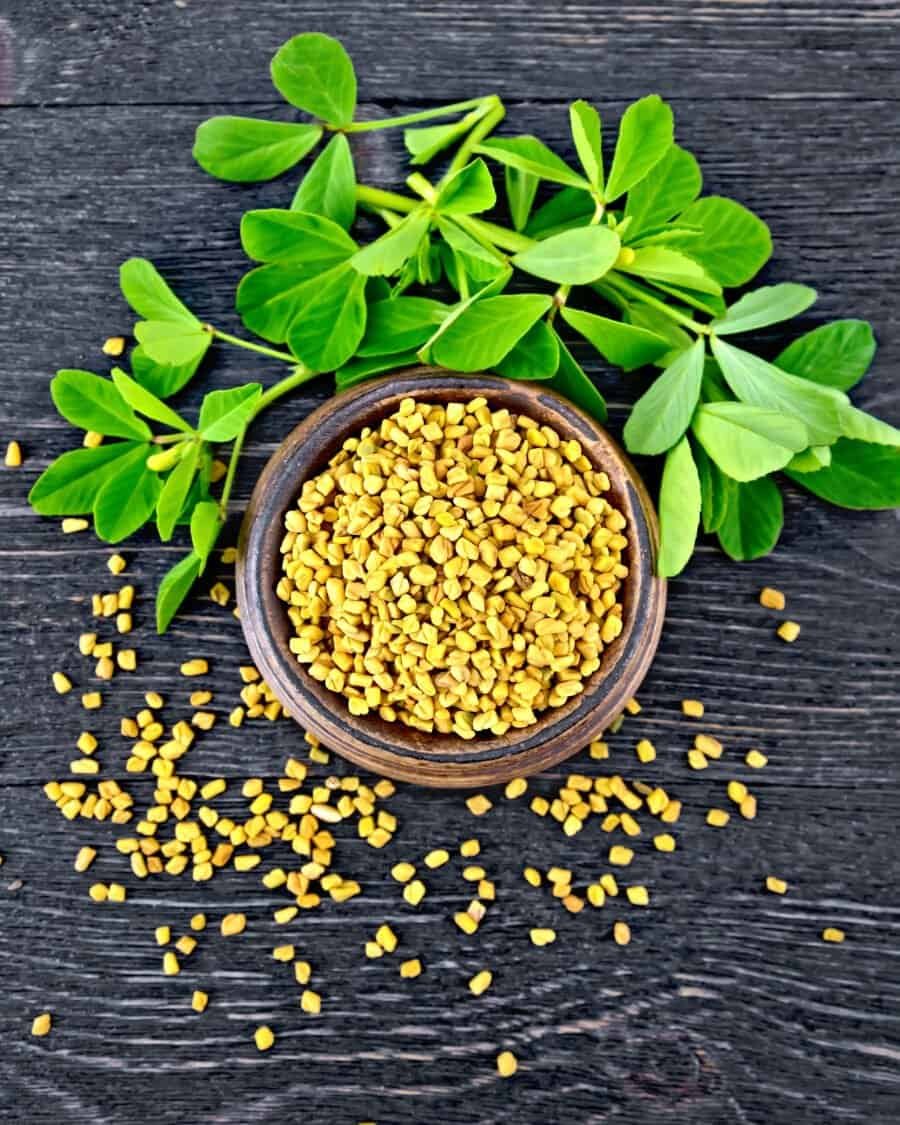
What is fenugreek good for? Fenugreek, commonly known as methi in India, is a versatile herb that may support digestion, blood sugar management, and overall nutrition while adding a distinctive flavour to everyday meals. Interestingly, methi also has a fascinating history that connects ancient civilisations with our modern kitchens.
Fenugreek was first found in the Tell Halaf region of present-day Syria, where charred fenugreek seeds dating back to around 4000 BCE have been reported. In India, evidence of fenugreek has also been associated with the Harappan civilisation. This makes methi an interesting part of the long history of traditional food and agriculture.
Methi saag is one of our favourite vegetables. Every winter, we cook it at home and enjoy its fresh, slightly bitter taste. For us, it is more than just a seasonal dish; it is a comforting reminder of winter meals and the simple pleasure of homemade food.
What Is Fenugreek?
Fenugreek (Trigonella foenum-graecum) is an annual herb belonging to the legume family. Its leaves, seeds, and sometimes tender stems are used in cooking and traditional remedies.
In India, fresh methi leaves are commonly used to prepare methi saag, parathas, dal, and vegetable dishes. Dried fenugreek leaves, known as kasuri methi, are popular in curries, while the seeds are used in spice blends, pickles, and tempering.
Fenugreek is valued for its distinctive aroma, earthy flavour, and nutritional properties.
What Is Fenugreek Good For? 5 Potential Health Benefits
1. May Help Support Healthy Blood Sugar Levels
Fenugreek seeds contain soluble fibre and other plant compounds that may influence how carbohydrates are digested and absorbed. Some studies suggest that fenugreek may help improve blood sugar control, particularly in people with diabetes.
However, results vary, and fenugreek is not a replacement for prescribed diabetes medication. People taking blood sugar-lowering medicines should consult a healthcare professional before using concentrated fenugreek supplements.
2. Supports Digestive Health
Fenugreek seeds contain dietary fibre, which can support normal bowel movements and overall digestive health. Fibre also contributes to fullness after meals.
Fresh methi leaves provide fibre as part of a balanced diet. Including leafy vegetables, whole grains, fruits, and adequate water can help maintain healthy digestion.
3. Provides Important Nutrients
Fresh fenugreek leaves contain nutrients such as vitamin K, beta-carotene, folate, and minerals, although the amounts depend on growing conditions and preparation.
These nutrients contribute to normal body functions, including blood clotting, vision, and cell growth. Methi is a useful addition to a varied diet rather than a single food that supplies every nutrient the body needs.
4. May Help With Cholesterol Management
Some research suggests that consuming fenugreek seeds may help improve certain blood lipid measurements, including total cholesterol and triglycerides. Soluble fibre may contribute to these effects.
The evidence is not conclusive, and fenugreek should not replace prescribed cholesterol medication or other recommended lifestyle changes.
5. Can Be Part of a Balanced Weight-Management Diet
Fenugreek seeds contain fibre, which may help increase feelings of fullness. Fresh methi leaves are also a useful leafy vegetable to include in balanced meals.
However, eating methi alone does not cause weight loss. Overall eating habits, physical activity, sleep, and other individual factors play important roles in weight management.
Why Methi Saag Is a Winter Favourite in Indian Homes
Winter is the perfect season to enjoy fresh leafy vegetables in many parts of India. Methi saag is especially popular because it combines a distinctive flavour with simple, comforting home cooking.
Fresh methi leaves can be washed, chopped, and cooked with garlic, green chillies, onions, and a little oil. Some families combine methi with spinach or other seasonal greens to create a richer saag.
You can enjoy methi saag with roti, makki ki roti, or plain paratha. It can also be added to dal, vegetable pulao, and homemade theplas.
One reason I love methi saag is its slightly bitter taste, which becomes milder and more enjoyable after cooking. Every household has its own recipe, and that is what makes traditional Indian food so special.
For a nutritious everyday meal, pair methi saag with a source of protein, such as dal, beans, yoghurt, or another suitable food, along with whole-grain roti.
How to Add Fenugreek to Your Diet
Here are a few simple ways to enjoy fenugreek:
- Fresh methi leaves: Cook them as saag or add them to parathas and dal.
- Kasuri methi: Crush dried leaves between your palms and add them to curries for extra aroma.
- Fenugreek seeds: Use small culinary amounts in tempering, pickles, and spice mixes.
- Methi thepla: Combine chopped leaves with whole-wheat flour and spices for a popular Indian flatbread.
Fenugreek is generally safe in normal food amounts for most people. Larger medicinal doses or supplements can cause digestive discomfort and may interact with medication. People who are pregnant should avoid medicinal amounts unless advised by a qualified healthcare professional.
Frequently Asked Questions About Fenugreek
1. What is fenugreek good for?
Fenugreek may support digestion, blood sugar management, and cholesterol management. Its leaves also provide nutrients that contribute to a balanced diet. The benefits depend on the form consumed and the individual’s health.
2. Is methi good for daily consumption?
For most people, fresh methi leaves and ordinary culinary amounts of fenugreek seeds can be included regularly as part of a varied diet. Concentrated supplements require more caution.
3. What is the difference between methi and kasuri methi?
Methi usually refers to fresh fenugreek leaves or the plant generally. Kasuri methi refers to dried fenugreek leaves, which are used mainly as a flavouring ingredient in Indian cooking.
4. Is methi saag healthy?
Yes. Methi saag can be a nutritious part of a balanced diet because fresh fenugreek leaves provide fibre and several vitamins and minerals. Its overall nutritional value also depends on the ingredients and cooking method.
5. Where was ancient fenugreek first discovered?
Charred fenugreek seeds dating to around 4000 BCE have been reported from Tell Halaf, an archaeological site in present-day Syria. Fenugreek also has a long history in South Asian food traditions.
Fenugreek is a wonderful example of how food connects history, culture, nutrition, and personal memories. From ancient archaeological discoveries to the methi saag cooked in Indian homes every winter, this humble herb has remained part of our food traditions for centuries.
While research suggests several potential health benefits, methi is best enjoyed as part of a balanced diet rather than as a miracle remedy. And for me, a warm plate of homemade methi saag will always be one of the best things about winter.