
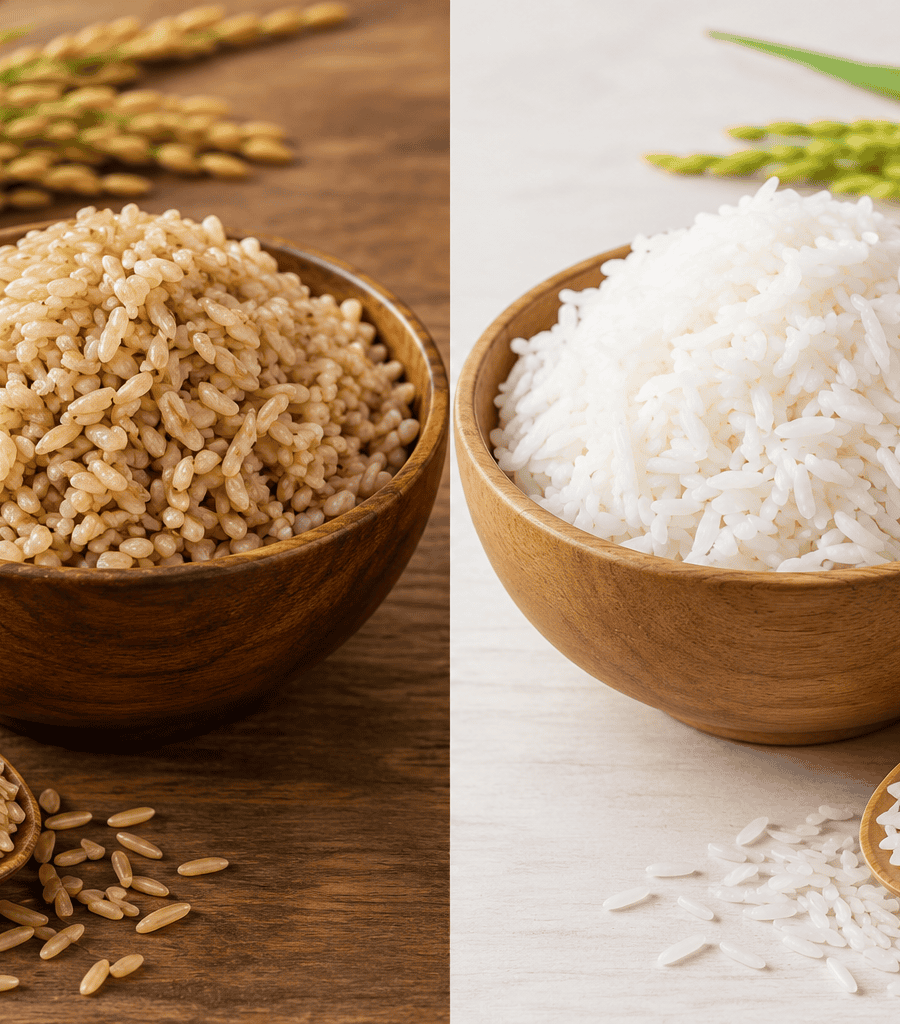
Health Benefit Of Brown Rice is something I became interested in when I started looking for simple ways to make my everyday meals more nutritious. Rice has always been an easy and familiar food for me, especially with dal, vegetables, or a homemade curry. So instead of removing rice from my meals, I started exploring whether there was a better variety I could include.
That is when brown rice caught my attention.
Brown rice has a slightly nutty taste and a firmer texture than regular white rice. It also offers fiber and several naturally occurring nutrients. If you have been wondering whether switching some of your regular rice to brown rice is worth it, here are seven things I think you should know.
1. Brown Rice Can Add More Fiber to Your Diet
One of the biggest brown rice health benefits is its fiber content. Fiber is an important part of a healthy eating pattern. It can help support normal bowel movements and makes meals feel more satisfying. I personally think this is one of the easiest reasons to consider brown rice. You do not have to completely change your meals. You can simply serve brown rice alongside the foods you already enjoy. For example, brown rice with dal and sabzi can make a simple, wholesome lunch.
2. It Can Support Healthy Digestion
If you are searching for brown rice benefits for digestion, fiber is an important factor to consider. Getting enough dietary fiber can help maintain regular bowel habits. Since brown rice contains more fiber than highly refined white rice, it can be a useful addition to a fiber-rich diet. One thing I would suggest is making the change slowly if your usual diet is low in fiber. Increasing fiber suddenly can sometimes lead to temporary bloating or gas. Giving your body time to adjust can make the transition more comfortable.
3. Brown Rice May Help You Feel Full
Another reason brown rice can be useful is the way it fits into a satisfying meal.
Meals containing fiber can help you stay satisfied for longer. This can be particularly helpful if you often feel hungry again soon after eating.
But I would not call brown rice a magic weight loss food. No single food can guarantee weight loss. Your overall eating pattern, portions, movement, sleep, and lifestyle all play a role.
For me, the better approach is to create a balanced plate rather than simply trying to eat less.
4. It Provides Several Useful Nutrients
Brown rice can contribute a range of nutrients to your diet, including magnesium, manganese, phosphorus, selenium, and some B vitamins. These nutrients perform different functions in the body. Magnesium, for example, is involved in normal muscle and nerve function, while other nutrients contribute to energy metabolism and general body processes. This is why I like the idea of choosing foods based on what they add to a meal rather than judging them only by calories. A bowl of brown rice can be one part of a nutritious meal that also includes vegetables and a good source of protein.
5. Brown Rice Can Fit Into a Heart-Friendly Eating Pattern
Another potential advantage of choosing whole grains is that they can form part of an eating pattern that supports cardiovascular health. Brown rice can replace some more refined grain choices while adding fiber and other nutrients to your meals. However, eating brown rice alone is not enough to make a diet heart-friendly. I would also focus on vegetables, fruits, pulses, nuts, seeds, and suitable sources of protein and healthy fats. Think of brown rice as one useful ingredient rather than the entire solution.
6. It Is Less Refined Than White Rice
The difference between brown rice and white rice mainly comes down to processing.
Brown rice keeps more of the grain intact, including the outer layers that are removed when producing white rice. Because of this, brown rice generally has a different nutritional profile, particularly when it comes to fiber and certain micronutrients.
This does not mean white rice has to disappear from your kitchen.
I still believe food choices should be practical. If you enjoy white rice, you can start by replacing it with brown rice for a few meals each week and see whether you enjoy the change.
7. Brown Rice Is Easy to Include in Everyday Meals
For me, one of the best things about brown rice is that it does not require a completely different style of cooking.
You can serve it with dal, rajma, chole, mixed vegetables, grilled paneer, eggs, fish, or chicken. It can also be used for rice bowls, stir-fries, and simple lunch recipes.
This makes it easier to include as part of your normal routine.
And honestly, I think this matters a lot. A healthy food is much more useful when you can actually enjoy eating it regularly.
Brown Rice vs White Rice: Which Should You Choose?
This is probably the question most people have when they first hear about brown rice.
Brown rice generally provides more fiber and retains more of the grain’s original components than white rice. White rice is more processed and has a softer texture, which is why many people prefer it. But you do not have to choose one forever. Your personal preferences, digestive comfort, dietary requirements, and overall meal pattern should guide your decision. Both can have a place in a varied diet.
How I Would Add Brown Rice to My Routine
If brown rice is new to you, I would keep things simple. Start with one meal. Prepare a small portion and pair it with foods you already like. Dal, vegetables, beans, or a protein source can make the meal more satisfying. If you find the texture too firm, experimenting with soaking and cooking methods may help. There is also no need to make a dramatic change overnight. Small food swaps are often easier to maintain than strict rules.
Frequently Asked Questions
Is brown rice good for daily eating?
Brown rice can be included regularly by many people as part of a varied and balanced diet. The right amount depends on your individual nutritional needs and the rest of your meals.
What are the main health benefits of brown rice?
The main advantages include its fiber content, whole-grain nature, nutrient contribution, and ability to fit into a balanced eating pattern.
Is brown rice better than white rice?
Brown rice generally contains more fiber and retains more of the grain’s original layers. However, white rice can also be included in a healthy diet. The better choice depends on your individual needs and preferences.
Can brown rice help with weight management?
It may help with fullness because of its fiber content, but brown rice itself does not cause weight loss. Overall diet, portion sizes, physical activity, and lifestyle habits matter more.
Does brown rice support digestion?
Its dietary fiber can contribute to normal digestive function and regular bowel habits. If you are increasing fiber, do it gradually and drink enough fluids.
How can I make brown rice more enjoyable?
Try pairing it with flavorful dal, vegetables, beans, herbs, spices, or your preferred protein. You can also use it in rice bowls and other familiar recipes.
After learning more about brown rice, I see it less as a trendy health food and more as a simple whole-grain option. You do not need to stop eating rice to improve your diet. Sometimes, making a small change to the type of rice you eat can be a more realistic approach. If you enjoy rice and want to add more fiber and whole-grain foods to your meals, brown rice is certainly worth trying. Start with a small portion, pair it with nutritious foods, and see what works best for you. For me, healthy eating is not about following a perfect diet. It is about making small choices that feel realistic enough to continueand brown rice can easily be one of those choices.